Buying off-plan can be a great way to get your hands on a new build without doing the hard work. For many aspiring homeowners, this approach offers greater affordability and flexibility compared to buying an established home or building yourself, but it also comes with a unique set of challenges.
Read on to learn more about the off-plan buying process, along with the pros and cons of buying off the plan and some key considerations if you choose to take this route to homeownership.
What is an off-plan property?
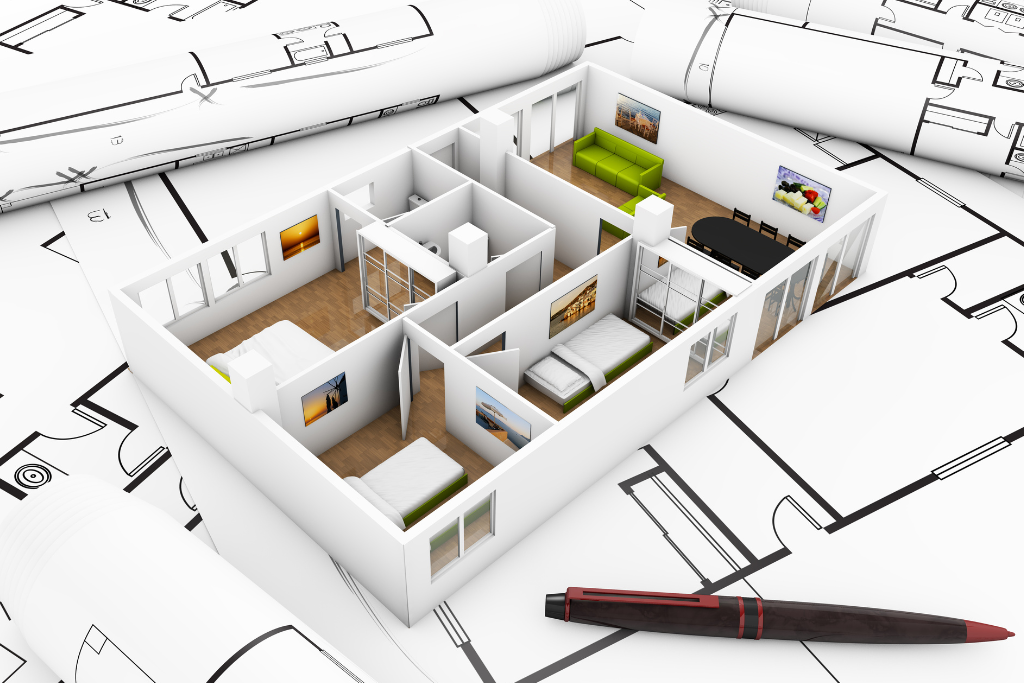
Buying off-plan involves purchasing a property before it’s been built or completed. So, instead of buying an existing or fully constructed home, buyers commit to purchasing a property based on architectural plans, designs and specifications provided by the developer. This typically involves viewing display homes, 3D renderings or floor plans to understand the final product.
What does buying off-plan involve?
As you can imagine, the process of buying off-plan is a little different compared to purchasing an existing property or starting a building project from scratch yourself. Here’s a quick overview of how it works.
Initial agreement
Like all home sales, you’ll need to sign a contract to buy off-plan. That said, off-plan sales typically involve a much more detailed contract of sale, so it’s essential to work with a conveyancer or solicitor to help you review and understand the finer details.
Off-plan contracts often feature several unique clauses or conditions that are specific to buying a property that isn’t complete. These conditions are designed to cover the risks and uncertainties that come with buying off-plan. They include:
Sunset clause: A sunset clause specifies the date the property must be completed. Essentially, it allows the buyer to exit the sale without penalty if the developer fails to complete the project by the agreed date.
Variations clause: This clause allows the developer to make changes to the design, materials or layout of the property during the construction phase.
Disclosure statement: A disclosure statement provides a record of the buyer and developer’s details and identifies the proposed lot that you intend to purchase.
Proposed schedule of finishes: This details the fixtures, fittings and finishes that are included as part of the purchase.
Completion timeline: This timeline outlines the estimated completion date and allows for delays under certain circumstances, like weather or supply chain issues.
When it comes to buying off-plan, you’ll also need to pay a deposit when you sign the contract. This deposit is usually around 10% of the purchase price.
You might also be interested in: Using equity to buy another property
Construction phase
Once construction is underway, the developer will often provide regular updates on the construction process, including milestone completions. Some developers will even allow buyers to visit the site at specific stages of construction.
The construction process for off-plan builds can be lengthy, so it’s often worth touching base with the developer regularly to keep up to date with the progress.
Completion and settlement
Once construction is complete, you’ll be invited to complete a pre-settlement or handover inspection. This is an opportunity to ensure the property matches the agreed plans, specifications and inclusions.
Developers don’t usually provide a settlement date for off-plan purchases when you first sign the contract, so it’s common practice for them to give you 14 days' notice once the building is complete and they’ve secured the title. From here, your lender will often conduct a final valuation of the property before releasing funds. At settlement, you’ll pay the balance of the purchase price and the developer will transfer ownership of the property to you.
Are off-plan buyers eligible for stamp duty concessions?
Some states and territories offer stamp duty concessions when buying a new property off-plan. This scheme is designed to offset the stamp duty payable when buying a home - specifically an apartment or townhouse - which could help you save thousands.
Generally speaking, a first-home buyer who purchases an off-the-plan apartment build (that is, something under a strata subdivision as opposed to a house-and-land package) is eligible for a concession or discount on their stamp duty. The scheme is such that you only pay stamp duty on the land and what’s already built, not the full property price. The earlier you buy, the less you pay, since unfinished construction costs are excluded.
If you buy an off-the-plan apartment for $620,000 and construction hasn’t started yet, you might only pay $4,000 in stamp duty instead of $32,000. That’s a $28,000 saving!
Price caps, eligibility requirements and other details differ across state and territory governments. To find out what’s on offer in your home state or territory, follow the links below:
You might also be interested in: How do house and land packages work?
Are you eligible for the First Home Owners Grant (FHOG) if you buy off the plan?
Yes, given you fulfil the criteria set out by your state and territory for the FHOG, you will be eligible for this grant if your home is purchased off the plan.
If you’re a first-time home buyer, take a look and see if you’re eligible for the First Home Owner Grant (FHOG) or any other government concessions on offer.
Pros of buying off-plan properties
There are several key advantages of buying off the plan, which makes it a popular choice for buyers and investors alike:
Price advantages: Off-plan properties are often priced lower than completed homes, offering better affordability. Plus, you might also benefit from capital growth as property values increase during the construction period, potentially boosting equity.
Customisation opportunities: Many developers offer options to personalise fixtures, fittings and finishes, like flooring or cabinetry. Some developers even allow you to modify the layout of the property during the planning phase.
Lower upfront costs: Off-plan purchases typically require a lower initial deposit compared to established homes, making buying a home more accessible for those struggling to save a 20% deposit. Delayed settlement also gives buyers time to save and arrange finances before the final payment is due.
Government incentives: Many states and territories offer off-the-plan concessions for stamp duty and other grants for first-time buyers.
Cons of buying off-plan properties
Buying off-plan also comes with its own set of risks and challenges that are important to be aware of, including:
Project delays: Delays from weather, supply issues or labour shortages can extend construction timelines. Owner-occupiers may need to find temporary living arrangements, while investors could face a loss of rental income.
Design discrepancies: There’s a chance that the completed property could differ from initial plans or 3D renderings, potentially falling short of the buyer’s expectations. It’s important to have a solicitor or conveyancer review your contract to ensure any changes made after the fact are not breaking any contractual agreements.
The property may be valued lower than you expect: Because your lender can’t value the property until development is complete, there is a chance it will be valued lower than expected. This could negatively affect your LVR and there may be a chance you’ll be charged Lenders Mortgage Insurance (LMI) if your LVR goes above 80%.
Resale value might change: If you’re an investor and plan to resell the property, keep in mind that there’s a chance the value may change by the time construction is finished.
Financing challenges: Loan approvals typically occur closer to settlement and pre-approvals could expire before construction is finalised. Changes in personal circumstances, interest rates or lending criteria could impact borrowing capacity and leave you at risk of having your loan application rejected.
Developer risks: If the developer goes bankrupt or abandons the project, you could risk losing your initial deposit or having your money tied up for a period of time.
What are the differences between buying a house and an apartment off the plan?
The process of buying a house and apartment off the plan is similar, but there are a few distinct differences between the two.
When you buy an apartment off the plan, you’ll be required to pay strata fees which your developer should provide in a schedule.
This might also include the sinking fund fee, which was designed to help homeowners in a strata scheme pay off major capital works or emergencies should they arise. By requiring smaller regular payments, they can avoid having to pay large one-off fees.
Another important thing to consider is that apartments typically have longer construction times. They can take around 2-5 years to complete, whereas houses usually take about 6-18 months.
Key factors to watch out for when buying off the plan
If you’re considering buying off the plan, here are a few key factors to consider. Firstly, be sure to research the developer before you sign anything. You’ll want to make sure they have a clean track record and good reviews from previous buyers.
Next, be sure to seek legal advice when reviewing the contract of sale to make sure you understand the clauses and penalties for delays.
Lastly, it can also be worth familiarising yourself with the process for addressing defects once construction is complete. It’s not uncommon for new builds to have issues, so you’ll want to make sure the developer has a plan for addressing any problems or it could cost you.
If you’re after a loan for your off-plan purchase, be sure to reach out to your local Aussie Broker.