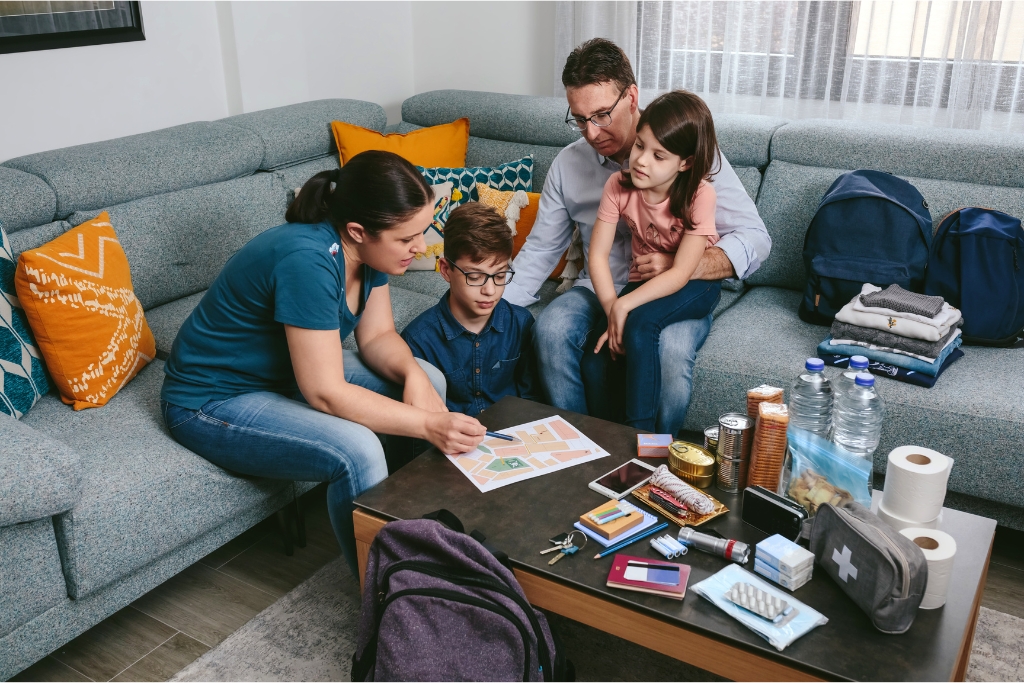
With Cyclone Alfred approaching, being prepared can make all the difference in keeping you and your loved ones safe. No matter where you live—whether in a unit, house, or rural property—having a clear plan for before, during, and after a cyclone can provide peace of mind and help protect what matters most.
To make preparation easier, Aussie has created a simple and practical cyclone preparedness guide. It includes clear steps to take, emergency contacts, supply checklists, and information on where to access sandbags and other essential resources in key cyclone-affected areas. We're here to support you—because your safety is what matters most.
Knowing you have support can make all the difference in uncertain times. We're in your corner, helping you navigate the challenges ahead.
Everyday Aussies cyclone guide: How to prepare your home
For those who live in standalone homes, here's what you can do:
Trim trees and remove dead branches that could fall on your home or power lines.
Secure loose roofing sheets, garden objects, and outdoor furniture.
Install cyclone shutters or board up windows with plywood.
Reinforce garage doors to withstand strong winds.
Clear gutters and drains to prevent blockages and flooding.
Prepare an emergency go-bag with essential items (see checklist below).
Check your home insurance coverage for storm and flood damage.
Park vehicles away from trees and in a safe, elevated location.
If you rely on a septic system, know how to secure it in case of flooding.
Identify your nearest cyclone shelter and the best evacuation route.
Secure gas bottles and turn off gas mains if a cyclone warning is issued.
Have an evacuation plan for pets, including their food and medications.
Secure boats and trailers by anchoring them properly or relocating them to safer ground.
Business establishments should prepare by securing signage, backing up data, and implementing a continuity plan.
For people who live in units and apartments, here are a few steps to remember:
Secure balcony furniture, plants, and any loose objects that could become projectiles to reduce the risk of damaging your property or neighbours' homes.
Check that window seals and weather strips are intact to prevent water damage.
Tape windows in a criss-cross pattern if shutters aren't available to minimise glass shatter.
Identify your building's emergency evacuation plan and the nearest exits and meeting points.
Store important documents (ID, insurance, medical records) in a waterproof bag.
Stock up on at least 72 hours' worth of non-perishable food and water in case of power loss.
Keep a torch, a pack of batteries, and an extra power bank for charging mobile devices.
Park your car in a secure, elevated location to prevent flood damage.
Check in on the elderly or neighbours’ who may need assistance.
Download emergency apps: Queensland Disaster Management, Bureau of Meteorology (BOM), and SES Assistance.
Ensure you have an evacuation bag with essentials (see section below).
In packing your evacuation bag, you should make sure to include these:
Essential documents (ID, insurance papers, birth certificates, bank details)
First aid kit & medications
Food & water (non-perishable food for at least 3 days, baby formula if needed)
Clothing & sturdy footwear
Cash (small denominations in case ATMs are down)
Battery-powered flashlights & spare batteries
Portable power bank & solar charger
Hygiene items (soap, wipes, toilet paper, feminine hygiene products)
Sleeping bags & blankets
Whistle & multi-tool (for emergency use)
Pet essentials (food, leash, medication, ID tags)
You'll also have to prepare sandbags and flood protection supplies for flood control. Below is a list of sandbag distribution centres by region that you can contact:
Brisbane: Council Depots – Call 3403 8888 for locations
Gold Coast: Call 1300 GOLDCOAST (1300 465 326) for availability
Townsville: Sandbags available at SES depots – Call 132 500
Cairns: Locations updated via Cairns Regional Council – Call 4044 3044
Mackay: Mackay SES Unit – Call 1300 622 529
Rockhampton: Council sandbag locations – Call 1300 225 577
Sunshine Coast: Available at council depots – Call 5475 7272
To make effective use of sandbags, you should:
Stack them in a pyramid formation for stability.
Place a plastic sheet under them to improve water resistance.
Focus on doors, garages, and low-lying areas where water can enter.
If a family member or neighbour needs medical assistance, here's a list of emergency contacts you can reach out to for help:
Police, Fire, Ambulance: Call 000
SES (State Emergency Service): Call 132 500 for storm assistance
Queensland Health: 13 HEALTH (13 43 25 84) for medical advice
Local Hospitals & Emergency Departments: Find at Queensland Health
Ergon Energy (Power Outages): 13 22 96
Telstra Outages: Check Telstra Outages
Lifeline (Mental Health Support): 13 11 14
Department of Transport & Main Roads (Road Closures & Updates): 13 19 40
Power and internet connection interruptions are common during cyclones. If they do happen, don't panic! Here's a list of things you should do:
Have a battery-powered or wind-up radio for emergency broadcasts.
Charge all devices before the cyclone hits and keep power banks on hand.
Use a torch instead of candles to reduce fire risk.
Keep fridges and freezers closed as much as possible to preserve food.
Disconnect appliances to prevent damage from power surges.
Check ABC Local Radio (AM/FM) for updates if your internet is down.
If mobile networks are down, use landlines or two-way radios.
Everyday Aussies cyclone guide: What to do after a cyclone
Emergency preparedness doesn't stop at preparing your home before a cyclone. Here's what you can do after a cyclone:
Do not return home until authorities confirm it is safe.
Avoid flood waters; they may contain debris and contaminants.
Inspect your home for structural damage before entering.
Check for gas leaks or electrical hazards before turning the power back on.
Photograph all damage for insurance claims.
Boil or treat drinking water until authorities confirm it is safe.
Check on elderly neighbours & family members.
Follow official updates from Queensland Disaster Management and BOM.
If in doubt, evacuate early. Your safety is the priority.
No matter what challenges lie ahead, you're not alone. Aussie brokers are here to support you—not just with your home loan, but with guidance and resources to help you stay prepared and protected.