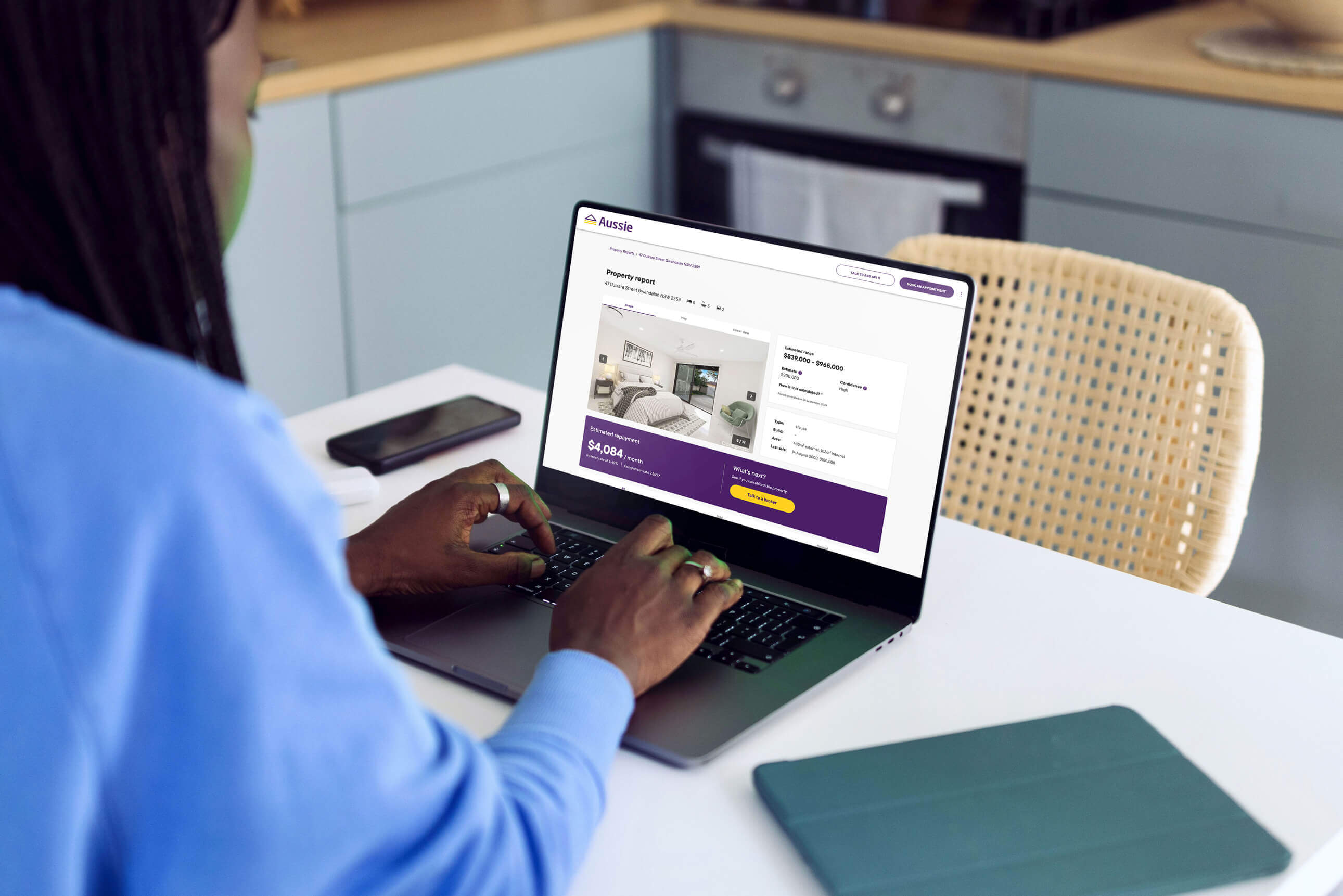
Once your deposit is saved, it typically takes 6–9 months to buy your first home in Australia, from preparation through to settlement.
Eligible first-home buyers may be able to purchase with a 5% deposit under the First Home Guarantee, subject to income and property price caps from 1 October.
Government grants and stamp duty concessions vary by state and depend on personal circumstances.
For first-home buyers, one of the most common questions is: how long does it actually take to buy a property in Australia?
The answer is: it depends. Timelines vary based on how quickly you can save a deposit, whether you qualify for government support, and the pace of the property market where you’re buying.
What doesn’t change is the sequence most buyers follow: laying the groundwork, applying for pre-approval, researching properties, making an offer, securing unconditional approval, and finally, settling on the purchase.
This guide sets out a realistic first-home buyer timeline in Australia, based on typical milestones.
It also explains how the First Home Guarantee (FHG), which allows eligible buyers to purchase with a 5% deposit, can shorten the path to ownership.
Want clarity on your own timeframe? Book a free^ chat with an Aussie Broker today.
Month 1: Laying the groundwork
The first stage involves building a clear financial profile. Lenders base their decisions on documented evidence, so preparation here saves time later.
Collect documentation
Standard documents include:
Identification: passport, driver’s licence, or birth certificate.
Income evidence: recent payslips, PAYG summaries, or two years of tax returns if self-employed.
Bank statements: showing regular savings contributions and daily spending habits.
Debt records: such as credit card statements or personal loan contracts.
Why it matters: Missing or incomplete paperwork is one of the main reasons loan applications stall.
Review savings and liabilities
Lenders often require genuine savings, funds built gradually, not just one-off gifts. Many also expect at least three months of consistent contributions.
Paying down existing debts (for example, reducing a $5,000 credit card limit you don’t use) can improve your borrowing power.
Check your credit history
Your repayment track record is visible to lenders. Errors on your credit report, such as incorrectly listed defaults, should be corrected early, as this process can take weeks.
You might also be interested in: What affects your credit score and how to improve it
Speak to a broker
An initial conversation with a broker helps establish:
How much you could realistically borrow.
What lenders will scrutinise in your application.
Which areas to address now to avoid problems later.
Aussie can help: Brokers can review your documents against lender criteria, so you understand your borrowing position from the start.
You might also be interested in: Your step-by-step checklist to buying your first home
Month 2: Getting finance ready
With your groundwork in place, the next step is preparing your finance strategy.
Check government support options
First-home buyers may be eligible for multiple schemes, including:
First Home Owner Grant (FHOG): A one-off grant. Amounts vary by state or territory.
Stamp duty concessions or exemptions: Available in most states, with eligibility linked to property price thresholds.
First Home Guarantee (FHG): Lets eligible buyers purchase with a 5% deposit without paying Lenders Mortgage Insurance (LMI) beginning from 1 October.
First Home Guarantee eligibility snapshot (2025)
Income caps: $125,000 for individuals, $200,000 for couples.
Property type: must be an owner-occupied property, not an investment.
Deposit: minimum 5%, maximum 20%.
Property price caps:
State/Territory | Old property price caps | New property price caps |
|---|---|---|
NSW (Capital city and regional centre*) | $900,000 | $1,500,000 |
NSW (Other) | $750,000 | $800,000 |
VIC (Capital city and regional centre*) | $800,000 | $950,000 |
VIC (Other) | $650,000 | $650,000 |
QLD (Capital city and regional centre*) | $700,000 | $1,000,000 |
QLD (Other) | $550,000 | $700,000 |
WA (Capital city) | $600,000 | $850,000 |
WA (Other) | $450,000 | $600,000 |
SA (Capital city) | $600,000 | $900,000 |
SA (Other) | $450,000 | $500,000 |
TAS (Capital city) | $600,000 | $700,000 |
TAS (Other) | $450,000 | $550,000 |
ACT | $750,000 | $1,000,000 |
NT | $600,000 | $600,000 |
Jervis Bay Territory and Norfolk Island | $550,000 | $550,000 |
Christmas Island and Cocos (Keeling) Islands | $400,000 | $400,000 |
*Regional centres are (1) Illawarra, Newcastle, and Lake Macquarie in New South Wales, (2) Geelong in Victoria, and (3) Gold Coast and Sunshine Coast in Queensland.
Caps vary by location and apply to all Guarantees. Your purchase price and the lender-assessed Property Value both must be at or under the cap. Always confirm with your lender.
Source: Housing Australia, 2025
Why it matters: Buyers saving toward a 20% deposit may spend years in the rental market. Under the FHG, eligible buyers can enter the market sooner with a 5% deposit, provided the property is under the price cap.
You might also be interested in: State-by-state guide to buying with the First Home Guarantee 5% deposit
Apply for pre-approval
Pre-approval is a lender’s conditional agreement to lend you up to a certain amount. It usually lasts 60-90 days.
What it does: gives you a clear budget and strengthens your position at auctions or private sales.
What it doesn’t: guarantee final approval. Lenders reassess your finances and complete a property valuation before unconditional approval.
Common delays: Changing jobs, taking on new debts, or a valuation coming in below the purchase price can all affect final approval.
Aussie can help: Brokers compare multiple lenders’ pre-approval processes and explain how different policies may affect your borrowing capacity.
Months 3-4: Research and suburb shortlisting
Once finance is underway, buyers turn their attention to the market.
Research property prices
Compare recent sales, not just listing prices, to get a realistic view of affordability.
Look at multiple suburbs to see if your target area is above your budget.
Define your requirements
Divide your list into:
Non-negotiables: number of bedrooms, commute distance, access to schools.
Preferences: renovated features, outdoor space, extra parking.
Understand the market
Nationally, the average days on market for houses sits at 30-60 days, but this varies widely.
Entry-level properties often sell faster, particularly in metro areas with limited supply.
Consider long-term value
Infrastructure upgrades (train lines, schools, hospitals) may improve capital growth potential.
Vacancy rates and rental yields are important if you plan to rentvest.
Aussie can help: Brokers can provide suburb research reports, including recent sales, growth trends, and rental demand.
You might also be interested in: How to buy off-market property before anyone else sees it
Months 5-6: Making the move
At this stage, most buyers are ready to make a purchase.
Making an offer or bidding at auction
Private treaty: Submit a written offer through the selling agent.
Auction: Contracts are unconditional. Pre-approval and deposit funds must be in place before bidding.
Arrange inspections
A building and pest inspection is strongly recommended. Costs vary but usually range between $400-$800.
Why it matters: Inspections can uncover structural issues, pest infestations, or safety risks that may affect whether you proceed.
Apply for unconditional approval
Once an offer is accepted, your lender will:
Reassess your finances.
Order a property valuation.
Confirm building insurance is in place (a lender requirement in most cases).
Only once these checks are satisfied will the lender issue unconditional approval.
Exchange contracts and pay deposit
Deposit is typically 10% of the purchase price (some lenders allow 5%).
From this point, the property is legally under contract.
Settlement
Settlement usually occurs within 4-6 weeks of contract exchange, depending on state processes and agreed terms. This is when ownership transfers to you.
Aussie can help: Brokers liaise with lenders and solicitors to keep settlement on track.
You might also be interested in: From search to settlement: How a buyer’s agent simplifies home-buying
Month 7: Settlement and moving in
With settlement complete, buyers take legal ownership of the property.
Organise your move
Hire removalists or transport.
Connect utilities such as electricity, gas, and internet.
Update your address with banks, government services, and your driver’s licence.
Factor in additional costs
First-home buyers often overlook post-purchase expenses:
Removalist fees: $1,000-$2,000 depending on location.
Utility connection charges: $100-$300.
Council rates and strata levies: varies significantly by property type and location.
Why it matters: These costs are not included in the loan and must be budgeted separately.
Aussie can help: Brokers confirm funds are released on time at settlement and can guide you on insurance requirements.
How long does it really take?
Timelines vary considerably:
2-3 months: If deposit savings are already in place and documents are prepared.
6-9 months: Typical for most first-home buyers.
12+ months: Where buyers are still saving, adjusting expectations, or facing competition in high-demand areas.
Ready to start your first-home buyer timeline?
Buying your first home involves structured steps: preparation, pre-approval, property research, contract exchange, and settlement. While the timeline can vary, having the right advice makes each stage clearer.