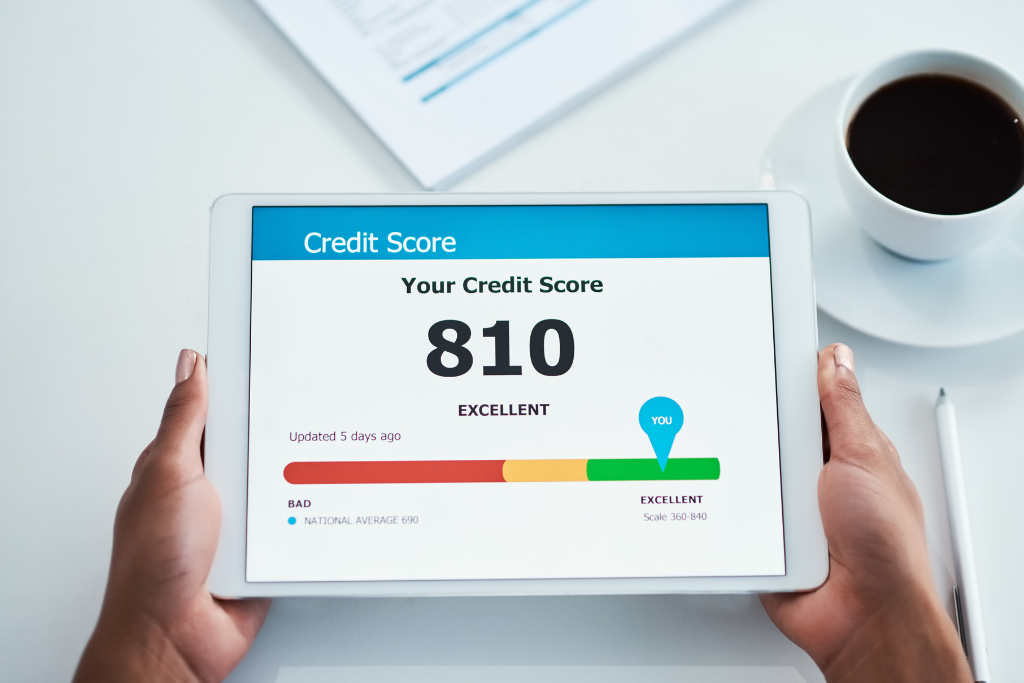
If you have a low credit score you may be struggling to get approved for a home loan or even a credit card. There are a few things you can do to help improve your credit rating in a short amount of time to give you the best chance of getting approved and securing the lowest interest rate possible.
How is my credit score calculated?
Your credit score is calculated using the information on your credit report, which can include the following:
Personal details: This could include age, employment history, address and more.
Type of credit provider: This is relevant as there are varying levels of risk with different lenders.
Size of borrowed credit: How much you've borrowed and what kind of loan you're taking out affects your credit score e.g. there is a higher level of risk associated with home loans than a credit card.
The number of credit enquiries: A record exists of all past applications and you might be viewed as a higher risk individual if you've made many enquiries in a short span of time.
Existence of overdue debt: This will negatively impact your credit score.
Debt agreements: Default judgements, debt agreements and court writs are likely to lower your credit score.
Tips to improve your credit rating
1. Check your credit report regularly
This will help you monitor your credit rating, and flag anything you believe has been incorrectly recorded. Most credit agencies will provide you with a free credit report each year.
Pay close attention to:
the spelling of your name
current and former addresses
current and former employers
past credit applications or queries
any missed credit payments
2. Correct any inaccuracies
If you spot an error on your credit report, speak to the relevant credit reporting agency as soon as you can to get this error corrected. Challenge any issues that you come across when checking your credit report, and always be aware of the possibility of identity theft corrupting your statements and score.
You can request a correction on your credit file with Equifax here.
3. Pay your bills on time
It sounds obvious, yet many Australians still struggle or simply forget to pay their bills. Review your payment history and existing credit accounts. Try to set up automatic or direct debit payments from your account so you won't have to worry about forgetting.
If you can, try to pay your bills early, which can demonstrate your reliability and responsibility to lenders over time. Keep in mind that if you do have a bad habit of overdue bills, this record can stay on your credit report for up to 5 years.
4. Avoid making too many credit enquiries
Frequently making hard enquiries, that is, applying for credit is an adverse signal to lenders as it may suggest that you are in a position of financial difficulty. This, in turn, will be noted in your credit history and can subsequently lower your credit score.
Therefore, it's a good idea to avoid making too many applications in a short period of time. Instead, space out your applications and only apply when there is a high chance you'll be approved. You can also speak to an Aussie broker before you apply and they can help find a loan option you are likely to get approved for.
Insights from our brokers:
"Shopping around for loans may seem to be the smart thing to do but every time you approach a lender directly, you get a query on your credit history which in time, and with more queries, lowers your credit score. I had a client who was enjoying shopping for cars. He would go on weekends to car yards and look at different cars, discuss with the car yards what he can afford etc. this resulted in 30+ car loan inquiries. None of them were taken. This in turn demolished his credit score." - Liran Morris, Aussie Mobile Broker - South Australia
5. Consolidate debt
This is the process of combining all your high interest debt obligations into one loan, which generally has a much lower interest rate in comparison e.g. incorporating your credit card or personal loan into your home loan.
This can offer a significant saving in interest and means you won't need to juggle multiple repayments each month. Consolidating may give you a better chance of improving your credit score in the future.
You might also be interested in: Debt consolidation loans
6. Try not to switch jobs
For lenders, job stability = financial stability, and showing that you can keep a steady job speaks volumes. If you can, try to avoid job hopping and having gaps in your resume while you are attempting to mend your credit rating. The more consistent your income is, the better, when it comes to raising your credit score.
You might also be interested in: Is it ok to switch jobs when applying for a home loan?
Why is my credit score so important?
Without a good credit score, the process of getting a home loan can be prolonged. While it's possible to start out with a bad credit score and gradually improve it, a good credit score from the get-go can really allow lenders to see you as a consistent individual when it comes to your finances.
This is why it's important to be aware and conscious of it early, as when the time comes to apply for a home loan, it may be too late. You might then, have to delay the process of obtaining a home loan.
With this information, as well as with some hard work and patience, you can now attempt to raise your credit score in just a few months.
How is my credit score calculated?
Your credit score is calculated using the information on your credit report, which can include the following:
Personal details: This could include age, employment history, address and more.
Type of credit provider: This is relevant as there are varying levels of risk with different lenders.
Size of borrowed credit: How much you've borrowed and what kind of loan you're taking out affects your credit score e.g. there is a higher level of risk associated with home loans than a credit card.
The number of credit enquiries: A record exists of all past applications and you might be viewed as a higher risk individual if you've made many enquiries in a short span of time.
Existence of overdue debt: This will negatively impact your credit score.
Debt agreements: Default judgements, debt agreements and court writs are likely to lower your credit score.