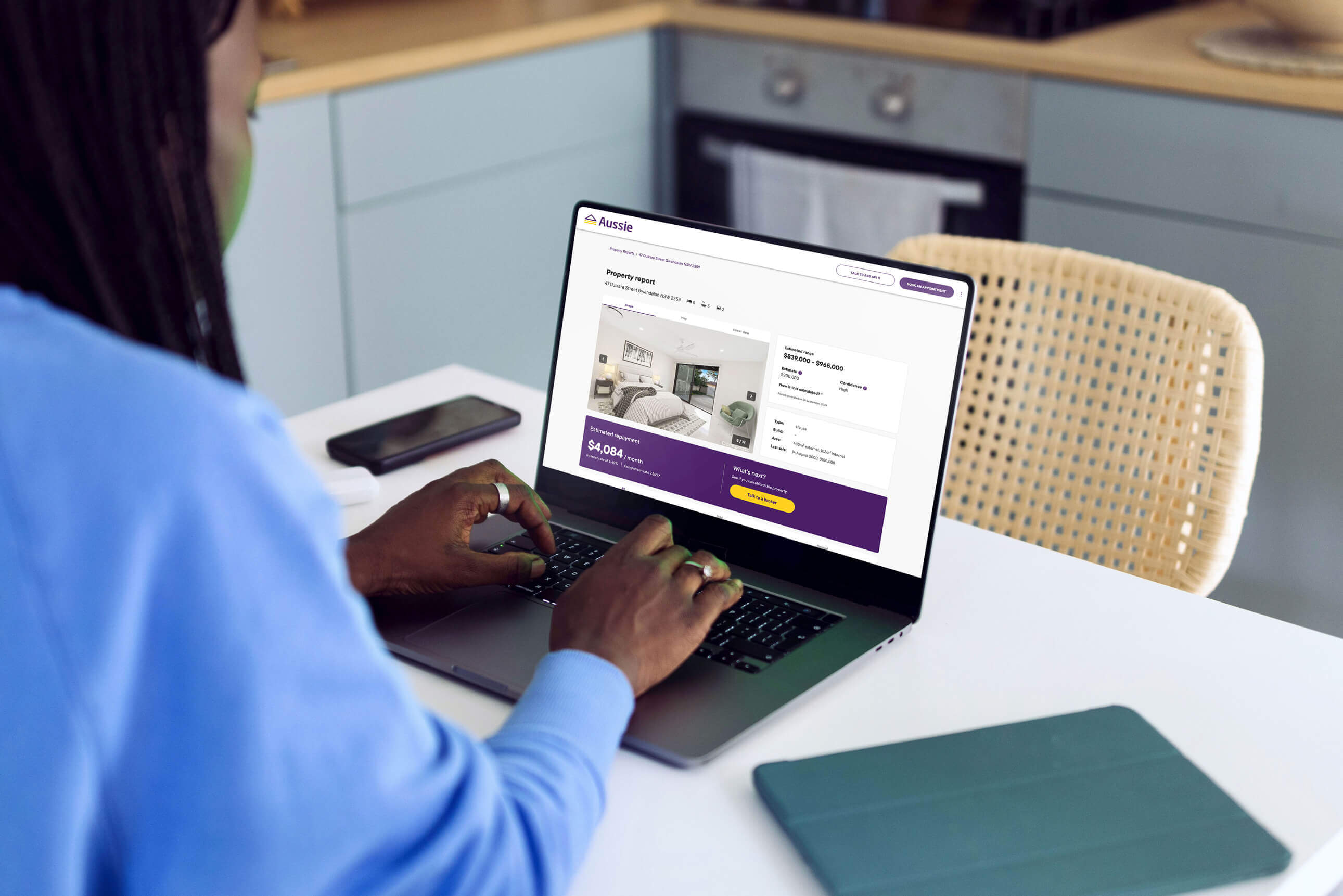
You’ve found it. The home that ticks every box. It’s in a great suburb, near the right school, and has the charm, space, and lifestyle perks you’ve been searching for. There’s just one problem: it’s $30,000 over your budget.
Do you stretch or step back?
It’s a familiar fork in the road for many Aussie homebuyers, especially right now. The average Australian home has just cracked the $1 million mark for the first time fuelled by tight supply, surging demand, and a wave of buyers willing to push past their original limits.
In this kind of market, plenty of would-be buyers are walking in with budgets that worked six months ago but just don’t cut it anymore. FOMO, bidding wars, and spiralling prices can nudge you toward spending more than you planned.
So how far is too far? And how do you know when stretching makes sense, or when it’s setting you up for regret?
What’s really in your budget? Don’t forget these hidden costs
Before you decide to push your budget, it’s worth taking a closer look at what you’re actually up for. Because the purchase price is only one piece of the puzzle.
Here’s a snapshot of the upfront and ongoing costs that can sneak up on buyers:
Cost | What to expect |
|---|---|
Varies by state, can be tens of thousands. Use a calculator like this one: Aussie Stamp Duty Calculator | |
Usually applies if your deposit is under 20%. Could add thousands. | |
Budget $400-$1,000 depending on the property type. | |
$1,000-$2,500 on average. | |
Truck hire, packing, and time off work are often overlooked. | |
These start as soon as you own the home. Factor them in. | |
Needed before settlement, not optional. |
The takeaway? A “$30,000 stretch” could turn into a much bigger financial leap once you add these in.
You might also be interested in: The upfront costs of buying a home
Signs you’re about to overextend (and what that means)
Sometimes, it’s not about whether you can borrow more, but whether you should. Here are a few red flags that you might be pushing too far:
You’d have little or no emergency fund left after the deposit.
Your monthly repayments would exceed 35% of your household income.
You’re relying on interest rates staying low to afford repayments.
You haven’t factored in childcare, school fees, or renovations.
You feel anxious, not excited, about your post-purchase budget.
These are signs of potential mortgage stress where housing costs put a strain on your day-to-day finances.
Around 1.5 million Australian households are currently experiencing mortgage stress, meaning more than 30% of their income goes to home loan repayments. Source: lendi.com.au
It’s a growing issue, especially as cost-of-living pressures rise. That’s why it’s critical to know your limits before you fall in love with a listing.
3 rules for safe budget stretching
That said, not all stretching is bad. Under the right circumstances, a small stretch can make sense, especially if it means buying a long-term home, reducing future move costs, or avoiding costly compromises. Here are three smart guidelines:
1. Your income is stable, and you still have a buffer
A permanent job, consistent income, and a 3-to-6-month savings buffer can offer the flexibility to stretch safely.
2. Your repayments stay under 30-35% of your income
This is the industry benchmark for affordability. If you're going over that, you’re likely entering mortgage stress territory.
3. Stretching doesn’t derail your long-term financial goals
Buying the home shouldn’t mean giving up retirement savings, kids’ education funds, or your ability to take a break or travel when needed.
You might also be interested in: First home buyer guide: Government grants and concessions
Staying in control: tactics to keep your budget on track
Want to stay grounded in your home search even when emotions are running high?
Here are some practical strategies that work:
1. Get pre-approval based on what you can afford, not the max
Just because a lender approves you for $900K doesn’t mean you should spend that much. Work with an Aussie Broker to run real-life scenarios based on your income, goals and lifestyle.
2. Set a “walk away” number and stick to it
Whether you're negotiating or bidding at auction, having a firm upper limit is essential. Your buyer’s agent can help you set this, and hold the line when emotions run hot.
Model best/worst case scenarios
What happens if rates rise? If you go on parental leave? If you need to replace a car?
Use Aussie’s Borrowing Power Calculator to stress test your finances: Check your limit.
Work with a buyer’s agent
They’ll help you balance ambition with realism, guiding you towards homes that deliver value, without blowing the budget.
Often, buyer’s agents can negotiate off-market or pre-market deals that allow you to stretch your dollar further without overpaying.
Know when to say no
It’s normal to want a great home. But the right home isn’t just about location or layout, it’s about confidence.
That means understanding your true budget, being realistic about costs, and getting expert support to make smart decisions, not emotional ones.
Aussie’s Buyer’s Agents and Brokers are here to help you navigate every step from pre-approval to negotiation, so you can buy the home that’s right for you, without sacrificing your financial wellbeing.
Worried you're going too far over budget?
Book a chat with an Aussie Broker.