
Key takeaways:
Regional markets are still delivering stronger rental yields, even as cash-positive properties become harder to find.
Higher interest rates are pushing investors beyond the capital cities, as they search for better value and stronger yields.
Rising rents are not always keeping pace with higher repayments, prompting many investors to reassess affordability and long-term goals.
Investors are becoming more strategic in a higher-rate environment, as market conditions reshape demand for cash-flow positive properties across Australia.
Finding a cash-flow positive investment property in Australia is becoming more challenging as higher interest rates reshape the market.
Rising living costs and tighter borrowing conditions are also leading many investors to rethink their property goals.
Cotality’s monthly Home Value Index recorded that national rents increased 5.7% over the year to April, while vacancy rates remained extremely tight at 1.6%. Despite strong rental demand, the report found gross rental yields in many capital cities remain below borrowing costs for some investors.
Rental yield measures how much rental income a property generates compared to its value.
Cash flow refers to whether rental income covers the ongoing costs of owning a property, including loan repayments, rates, insurance, and maintenance.
For buyers entering the market now, that means strong rental demand alone may not mean an investment stacks up financially.
Investors are adjusting expectations
Aussie Buyer’s Agent, Patrick Boyce, said the market has shifted significantly compared with just a few years ago.
“Five years ago, when interest rates were low, everything was cash-flow positive,” Boyce said. “Now, even finding something neutral is hard.”
As a result, investors are becoming more strategic about where they buy and what they prioritise.
Boyce said strategy sessions often focus on whether a client is prioritising capital growth or cash flow, as the two can require different approaches.
“When we do a strategy session, we work out whether the client is chasing capital growth or cash flow because they’re two different things,” Boyce said.
While many investors would like both, there is often a trade-off between stronger cash flow and long-term capital growth.
For many buyers, that is shifting the focus towards long-term affordability and growth potential rather than chasing short-term rental returns alone.
For borrowers reviewing their home loan options, an Aussie Broker can help you understand what may suit your goals and budget.
Regional markets are offering opportunities
Many investors are now looking beyond the major capitals in search of stronger rental yields and lower entry prices.
The report showed regional dwelling values rose 3.1% over the three months to April, compared with 1.1% growth across the combined capitals over a similar period.
Boyce said areas within a few hours of Sydney continue attracting investor attention because they offer better value and lower entry costs.
“If you move two or three hours outside Sydney into a strong regional hub, you can get a newer standalone home and much better value,” he says.
You might also be interested in: Investing in regional vs metro areas
Markets such as Maitland and Orange in regional NSW remain popular because of their relatively affordable prices and tight rental conditions, Boyce said.
In Queensland, Aussie Broker George Farmer said areas such as Bundaberg and Hervey Bay are also drawing strong interest from interstate investors.
“A $700,000 property here might buy a nice four-bedroom, two-bath house, whereas that might only get you a two-bedroom unit somewhere in Sydney,” Farmer said.
“We’ve seen good capital growth over the past five or six years, and you’re also getting a really strong rental yield.”
Speaking to an Aussie Broker can help buyers compare lending scenarios and understand how repayments, rental income and borrowing power may affect their long-term strategy before entering the market.
You might also be interested in: Buying an investment property interstate
Capital cities still have investment pockets
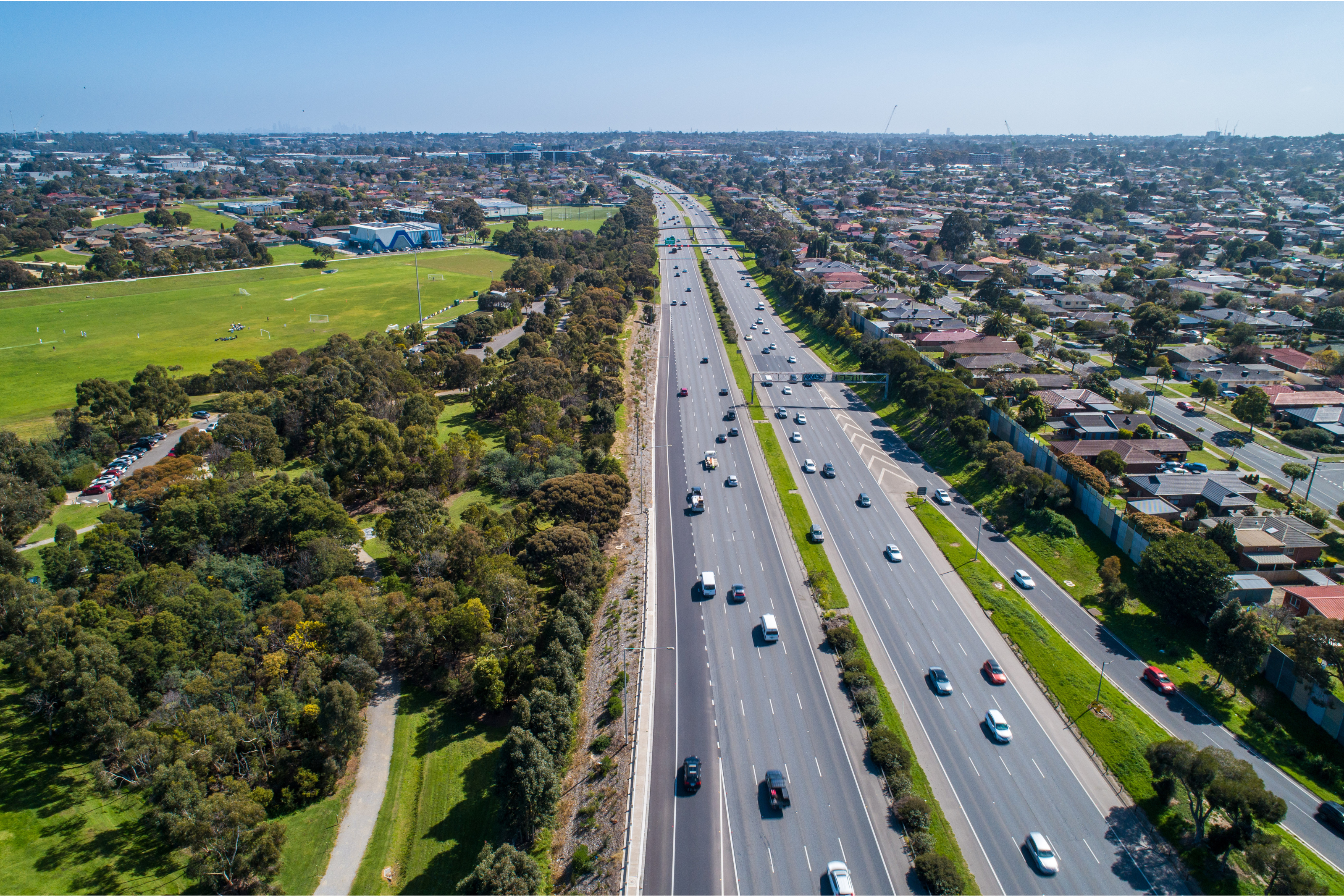
For many investors, regional and outer-ring suburbs provide an opportunity to enter the market. Image supplied by Cotality.
For buyers wanting to invest within the capital city markets, opportunities still exist in outer-ring suburbs, according to Cotality’s Quarterly Rental Review.
In Sydney, premium suburbs continue recording yields below 3%, but units in more affordable areas such as Fairfield, Wiley Park and Mount Druitt are delivering yields of 5% with vacancy rates below 2%.
Melbourne is also offering opportunities in lower entry-price suburbs. Units in areas including Melton South, Werribee and Hoppers Crossing are recording yields around 4%.
In Brisbane, strong price growth has compressed yields in some inner-city markets, but outer suburbs such as Wakerley, Raceview and Caboolture are still recording yields closer to 4.5% for a unit.
For many investors, regional and outer-ring suburbs provide an opportunity to enter the market at a lower price point while still benefiting from strong tenant demand.
Source: Figures and suburb data taken from Cotatlity refer to the following period: January to March 2026, and relate to the latest figures aligning to the date this article was published.
Borrowing buffers are becoming more important
Higher repayments and rising living costs are also changing how buyers approach borrowing.
Rather than borrowing to their limit, more investors are choosing to keep a financial buffer to help manage future rate rises or unexpected costs.
Farmer said those conversations are becoming increasingly important.
“We spend a lot of time talking to customers about what their borrowing capacity looks like, but also encouraging them to give themselves some breathing room,” he said.
Especially for first-time investors, understanding repayment comfort levels can be just as important as choosing the right property.
Speaking with an Aussie Broker can help buyers understand what they may be able to comfortably afford under different lending scenarios.
Reviewing borrowing power, repayment estimates, and cash-flow projections early can also help investors move more confidently when opportunities arise.
How Aussie can help investors navigate the market
While cash-flow positive properties may be harder to find, investors are still finding opportunities by taking a long-term approach and understanding their numbers.
With the help of an Aussie Broker and Buyer’s Agent, investors can:
Understand how much they can comfortably borrow
Compare home loan options from a panel of lenders
Assess how different rates could affect repayments
Explore loan features, such as offset accounts that may improve flexibility
Build a strategy based on their financial goals and risk profile
Get expert insight and help to look for properties aligned with individual goals
For some investors, that may mean focusing on long-term growth and accepting lower short-term cash flow. For others, it could mean targeting more affordable regional markets with stronger rental returns.
The key is making decisions based on affordability and long-term goals, rather than market hype.
What to keep in mind
Higher interest rates are making cash-flow positive properties harder to find across Australia.
Many investors are still exploring regional markets where lower entry prices and strong rental demand may offer better value.
For many investors, the focus is shifting towards balancing cash flow, long-term growth and affordability.
As market conditions continue to shift, Aussie can help investors understand their options, review their borrowing power and plan for their long-term goals.