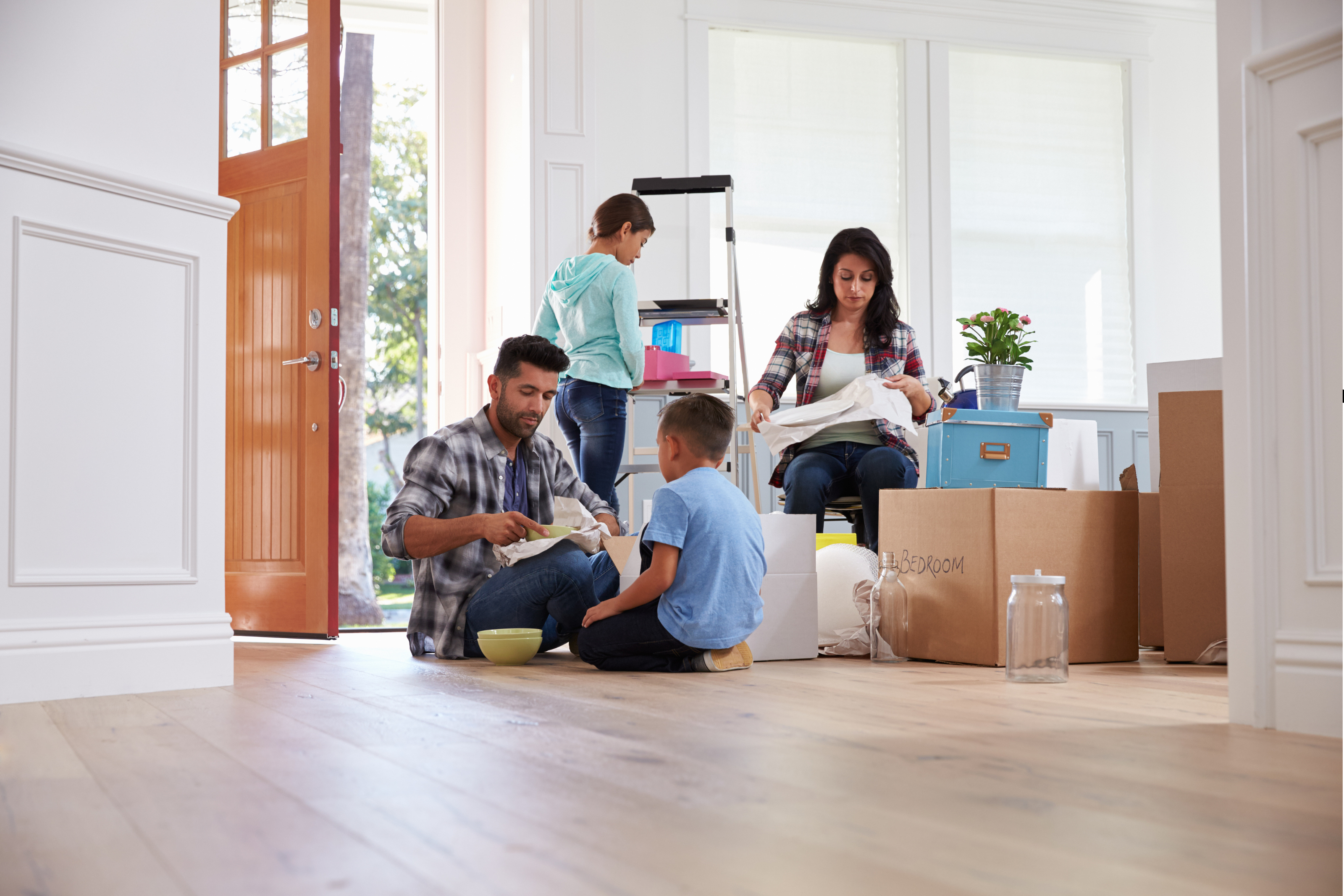
Upgrading isn’t just about size, it's also about smarter layouts that suit real family life.
Life changes like a new baby or school start are the perfect time to upsize.
Use your home equity to upgrade without selling first, with the right loan strategy.
When your family outgrows your home, it's time to rethink your space. Maybe the hallway is too narrow for the pram. Maybe the third bedroom has become a combination of a nursery, office, and laundry. Or maybe you're dreaming of a space big enough for the kids to roam, not just race between couch cushions. If that's where you're at, you're not alone.
Many families reach a point where their once-perfect place just doesn't fit the way it used to. It's not just about needing more space; it's about finding the right setup for the next stage of life—more comfort, more freedom, and a place that grows with you.
Between juggling routines, managing costs and planning, upgrading can be a lot. But with the right support and a clear plan, you don't have to figure it out alone.
This guide breaks down what upsizing involves, what to look for in your next home, and how to make it all happen even if you haven't sold your current place yet.
Let's walk through your next chapter and how Aussie can help you make it happen.
Signs your family has outgrown your starter home
Not every home is built to accommodate a growing family, and that's okay. Your first home gave you a start. However, if it's starting to feel cramped, chaotic, or just not quite right, it may be time to consider what's next. Here are a few signs you've outgrown your space and how a move could give your family a little more room to live, work and breathe.
The kids are sharing, and it's not going well
Bedroom sharing can work in the early years, but as kids grow, so does the need for space. If mornings feel like a battlefield and bedtime has become a negotiation, it might not be your parenting; it might be the floor plan. More space can mean fewer arguments and more harmony.
Even one extra room could be a game-changer.
Every room has three jobs
Has the dining table turned into the home office, homework station, and laundry drop zone? Yep, we hear this one a lot. When there's no space to focus, no room to unwind, and no clear divide between work and rest, it takes a toll on everyone.
An upgrade can bring back balance, giving your family zones that work for your lifestyle today.
The backyard is more of a squeeze than a sanctuary
Backyards still matter, especially with little ones. If you're dreaming of a trampoline, veggie patch or a safe space for the kids to run wild, but all you've got is a postage stamp of lawn, it might be time for more room to roam. It's not just about outdoor space; it's about freedom, fresh air and time together that doesn't rely on screens or schedules.
To give you a picture, here's an example. Lisa and Mike were living in Sydney's inner west with two kids, a dog, and not quite enough room. The house had character but also chaos. The kids were sharing. The hallway doubled as a toy chest. Dinner time meant negotiating who got which seat.
With a bit of guidance, they found a home with an extra bedroom, a small study, and a backyard just big enough. It's still close to school. It's still within budget.
Remember, it's not about having the biggest house on the street; it's about having one that fits your family, your routine, and your future. When you've got enough space to stretch out, everything feels calmer. There's room to grow and time to connect, and that can make all the difference.
You might also be interested in: Tips for upgrading or renovating your home in 2025
Timing your upgrade around life's big milestones
When life's changing fast, whether it's a new baby, a school start, or a return to work, the idea of moving house can feel like just another thing on the list. But with the right timing and support, it can make everything else feel easier.
Here are a few potential key moments where upsizing could be a smart move.
Baby on the way? Don't let the bump get in the way. If you're expecting, now's the time to start planning, ideally in the first trimester. Starting early gives you more breathing room to prepare your budget, chat with a broker, line up pre-approval, and explore homes without being rushed.
You might also be interested in: 6 ways to make the most of home loan pre-approval
Thinking about school zones? Get a head start. If your child is about to start school, catchment areas become a big factor. A few streets can make a big difference, especially in high-demand suburbs. That's why many families choose to move 6 to 12 months before their child starts school.
It allows you to research your options, settle into the neighbourhood, and avoid last-minute stress around enrolments.
Bonus: Your little one will already feel at home when that first day of school rolls around.
Returning to work? Rethink your location. Whether you're heading back part-time or full-time, this is a great time to reassess your setup. Ask yourself:
Do I need a home office now?
How's the commute looking?
Is daycare nearby or easily accessible?
Planning your upgrade around this transition can help reduce the juggle and set your whole family up for a smoother routine.
Pro tip: There's no perfect time to move, but there is a time that works best for you, and you don't have to figure it out alone.
At Aussie, we're here to help you plan the next move in a way that makes sense for your lifestyle, your family, and your finances. We'll help you navigate the timelines, line up your loan, and ensure your next home fits your future, not just your current needs.
You might also be interested in: Why you shouldn't wait for your bank to pass on rate cuts
What to look for in your next family home
Upgrading your home isn't just about chasing square metres. It's about finding a space that works for your family now and will still work five, ten, or fifteen years from now. Whether you’re planning for a new baby, navigating the school run, or just dreaming of a bit more calm, here's what growing families should keep an eye out for.
Floor plans that adapt to your life: Life with children changes quickly, and your home should be able to keep pace. Today's nursery might need to become a study nook, a teen hangout or even a quiet home office down the line. Look for smart layouts with second living areas, multi-use rooms or adaptable spaces that can evolve as your needs do.
Flow and function over floor space: A big house isn't always a better house. What matters is how the space works. Can you keep an eye on the kids while you cook? Is there a quiet area for reading or relaxing? Is the laundry close to the action (but not in the action)?
Good layout and sightlines often beat an extra few metres of unused hallway.
Storage you won't outgrow: Kids come with a lot of stuff that could add up fast. From bikes and backpacks to bath toys and pantry snacks, storage can make or break a home. Look for homes with built-ins, linen cupboards, under-stair spaces and garages that do more than house the car.
A safe setup for kids (and parents): Safety isn't optional when you've young kids. That might mean a secure backyard, no stairs, or easy ways to gate off different zones.
Outside, consider quiet streets over busy roads and within walking distance to parks, schools, or cafés with decent baby coffees.
Proximity to your support system: Raising kids is easier when you're not doing it alone. If you've childcare, grandparents, or close friends nearby, that support can be a game changer. Don't just think about the house; think about the village around it. The right community can make life smoother in ways you can't always see on a floor plan.
A suburb that fits your future: It's easy to fall for a house, but does the neighbourhood fit your long-term plans? Ask yourself:
Are there good schools and playgrounds nearby?
Will your commute still work if your job changes?
Is this a place where your family can put down roots?
The right suburb should feel like a fit not just for the next year but for the next chapter.
A backyard (or a bit of breathing room): You don't need acreage, but you need an outdoor space that lets your family breathe. Whether it's room for a swing set, a veggie patch, or somewhere to kick a ball, a backyard can be the difference between cabin fever and quality family time.
Why the right location matters more than ever
When you're upgrading for your family, it's not just about the right floor plan; it's about the right postcode. You're not just buying a home. You're choosing the place where your kids will grow up. While it's easy to compare square metres and bedroom counts, choosing the right location takes a little more heart. Here's what we help families think through when suburb-hunting.
Schools, daycare and everything in between: Whether you've got a newborn or a Year 3 lunchbox-packer, access to good education can shape everything: your routine, your property's value, and your peace of mind. Consider the proximity of local primary and high schools, daycare waitlists, public versus private options, and catchment boundaries.
How could school zones impact future resale value?
For many families, this is the reason they upgrade, and it's a smart one. A good school zone supports both your child's future and your long-term investment.
Green space that gives everyone room to breathe: Your backyard doesn't need to do it all. Local parks, ovals and playgrounds can be an extension of your home—a place to let the kids burn off energy, catch up with other parents, or enjoy a coffee while the toddler tackles the slide.
Look out for fenced playgrounds, shaded areas for prams, sports facilities, walking paths, community gardens and family-friendly zones. These might seem like small perks on paper, but they can be the highlight of your week once you move in.
A suburb that feels safe and welcoming: It's one thing to check crime stats. It's another to feel relaxed walking home after dark or letting your kids ride their bikes down the street. When families search for a new home, safety is often at the top of their list.
Look for quiet streets and cul-de-sacs, good lighting, and well-maintained footpaths, as well as active neighbourhoods with a genuine sense of community. Chatting with locals can be just as telling as a real estate listing.
Daily convenience means daily sanity: The right location should make your life easier, not just on weekends, but every day. When you're managing daycare drop-offs, work deadlines and supermarket dashes, proximity becomes priceless. Look for suburbs that put you close to:
Schools, shops, and services
GP clinics, pharmacies and playgrounds
A decent coffee (you'll thank us later)
It's these practical things that often turn a good house into a great home.
Transport today and tomorrow: You might be working from home now, but jobs change, kids grow, and life moves on. That's why future-ready families look for suburbs with public transport links, easy road access, and council plans for upgrades or new infrastructure.
Growth areas often come with increased value and improved services for your family in the future.
When you get the location right, the rest falls into place, and we're here to help you find both.
You might also be interested in: Your step-by-step guide to upsizing to a bigger family home
Helping your kids adjust when it's time to move
Upgrading your home is a big milestone, but for kids, it can feel more like a disruption than a dream. Whether they're toddlers or tweens, moving house brings a lot of change, and that can be overwhelming. The good news? With a little prep and a lot of care, you can turn the move into something they're part of, not just something that happens to them.
Involve them early, even in the small stuff. Kids feel more settled when they feel included. So, even the little things can make a big difference. Bring them along to a few open homes (especially if you're down to the final shortlist). Let them pick something for their new room—a wall colour, a doona cover, glow-in-the-dark stars for the ceiling.
Describe the new place in positive and exciting terms, such as the nearby park or café.
Keep the core routines steady. Kids thrive on routine. So, when everything else is shifting, hold onto the familiar where you can. Stick to usual mealtimes and bedtimes, even if the house is full of boxes. Keep a few comfort items within reach—their favourite soft toy, blanket or bedtime book.
Visit the new neighbourhood ahead of time: play in the local park, grab a babyccino at the café, or do a school drop-off dry run. Helping them picture life in the new area can make the idea of moving feel less scary and more real.
Changing schools? Help them find their feet early. New school nerves are normal, but they don't have to take over your life. Schedule a school visit before their first day of school. Walk the grounds, meet the teacher, and help them get their bearings. Join a local holiday or sports program before term starts; it's a low-pressure way to make friends and feel more at home.
Talk openly; it's okay for them to miss their old friends. Let them know it's normal to feel nervous and that those feelings will shift. Your confidence will help shape theirs.
How to financially plan your family upgrade
Upgrading your home is a big decision, and not just because of the floor plans. For growing families, it's about striking a balance between opportunity and reality. Your current home may have increased in value, but turning that equity into your next step requires the right planning, the right tools, and the right support. Here's how we help families upgrade with confidence, not confusion.
Know where you stand, not just where you want to be. Before falling for that four-bed, two-bath dream home, get clear on:
How much equity you've built up in your current home
Your borrowing power now, with kids or dependents in the mix
Costs like stamp duty, legal fees, moving expenses and agent commissions
Tools like our Borrowing Power Calculator and Live Equity Tracker in the Aussie App can give you a head start, and your Aussie Broker can help make sure the numbers stack up.
Buy first, sell later? There's a way to do that. Worried about selling your current home before finding the next one? It's a common concern, especially for young families.
That's where bridging finance can come in. It's a short-term loan that allows you to buy your next home before selling your current one, providing you with the time and flexibility you need to make a smooth transition. But it needs a clear plan. Your broker can help you weigh the pros and cons so you're not left juggling two mortgages for longer than necessary.
Plan for your life now and what's coming next. Upgrading isn't just a decision for today; it's a move for the next few years. So when building your budget, think beyond this month's payslip:
Will one parent take time off work?
Are school or daycare fees about to rise?
Does the new place need immediate work or fit-outs?
Build in a buffer because life throws curveballs, and you want a plan that can adapt to them.
Focus on the loan structure, not just the rate. Chasing the lowest interest rate is tempting, but the right structure can save you more over time. Consider an offset account to manage your cash flow, a fixed rate for stability while raising little ones, or a split loan that provides certainty and flexibility.
We compare thousands of home loans from over 25+ lenders to help find the one that fits your family's goals, not just your inbox rate alert.
Make your equity work smarter. Your current home has grown in value. That equity could boost your deposit for the upgrade, help you avoid or reduce Lenders Mortgage Insurance (LMI), and strengthen your hand when negotiating with banks.
Use the Aussie App to track your home's value and equity in real-time and let your broker show you how to put that value to work.
Upgrading is a step toward the life you want.
Upgrading your home isn't just about space; it's about backing your family's next chapter. It's the moment you decide that life could feel easier, calmer, better, and you're ready to make that happen.
Remember, you're not just buying a house; you're buying breathing room. A few extra rooms can mean fewer fights over space. A better layout can smooth out your morning rush. A great location can bring you closer to the people and places that matter most.
You're creating a space where your kids can grow and enjoy it. If you're going to make a move, make it count. Ask yourself:
Will this home still fit when the kids are teenagers?
Is there space for the life you're building, not just the life you have now?
Can this home adapt to your changing needs?
A little future-thinking now can save you from repeating the same move in just a few years.
Upgrading can feel like a big deal. But with the right support, it becomes something you do for your family, not just for them. When you've got a plan, a trusted broker, and the right tools at your fingertips, you don't have to second-guess every decision. You can feel clear, capable and ready.
When you step into that new home, or when school bags hit the floor, and your family settles in around the dinner table, you'll know it was all worth it.
With Aussie in your corner, you're not doing it alone. We'll help you unlock your equity, crunch the numbers, explore your options, and guide you through every step of the upgrade. Whether you’re ready to buy now or just planning, we're here to help you make a smart move.