Key takeaways
Borrowing capacity is a starting point, not a comfortable home loan budget for everyday life.
First-home buyers may need to weigh price, location, routines, and property risks.
Future income changes, including parental leave, can shape a comfortable repayment plan.
Comparing loan sizes and repayment scenarios can help first-home buyers make a more informed choice.
For many first-home buyers, borrowing capacity can feel like the number that determines everything. It can shape the suburbs they search, the properties they inspect, and the offers they consider.
But the maximum amount you may be able to borrow is not automatically the amount you will feel comfortable repaying.
A home loan also needs to fit around your regular expenses, future plans, property costs and the parts of life you want to make room for after settlement.
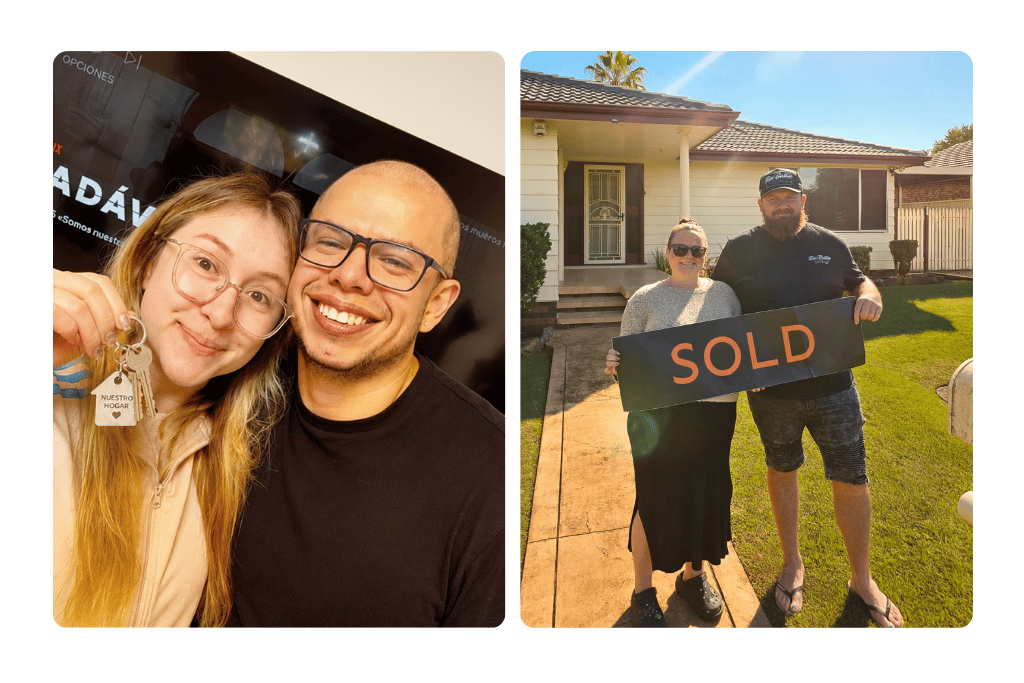
That was the common thread in the experiences of Camilo and Sanchez and Zoe and Wade. They were buying in different locations, looking for different types of homes and planning for different futures.
But both couples worked with an Aussie Broker to understand their options, compare scenarios and think beyond the biggest possible loan.
Their stories show why a useful first-home question is not only, “How much can I borrow?” It is also, “What repayment and property will work for the life I want to live?”
A borrowing limit is not the same as a budget
A borrowing-capacity estimate can help you understand what may be possible. It is not a recommendation to borrow the maximum, and it does not capture every consideration that may affect your day-to-day life as a homeowner.
Your comfortable budget may be different from your maximum borrowing capacity. It may need to account for your income, expenses, deposit, debts, dependents, employment circumstances, loan term, interest rate and lender requirements.
It may also need to leave room for changes you can reasonably expect, such as parental leave, a new job, renovations or higher household costs.
Aussie Broker Elisha Duncan says some first-home buyers start with the idea that they should borrow as much as possible.
In her conversations with Zoe and Wade, the focus was on working through repayments they could manage while preparing for their baby.
“You still want to be able to live. You still want to be able to enjoy life and this new baby and not have to rush back to work straight away.”
The aim was not to decide that a maximum loan is always wrong. It was to compare the maximum with a range of repayment scenarios, then consider what would remain workable for the couple after their circumstances changed.
Camilo and Sanchez: Choosing a home that fitted their lives
Camilo and Sanchez had already built a life in Homebush West. They had been living in the area for several years, with friends, a gym, and familiar routines nearby.
They also valued being relatively close to the city, the airport, and other places they visited regularly.
When they decided to buy, location was not a feature they wanted to give up simply to pursue a different type of property. Houses were outside the price range they were comfortable with, so they looked at apartments as a way to buy in an area that suited them.
They eventually bought a two-bedroom apartment for $630,000. Their requirements included being within walking distance of a train station, having enough space for their routines, a balcony, access to shopping and at least one and a half bathrooms.
These details helped turn a broad goal, buying a home, into a clearer brief for their property search.
They had a 5% deposit and had been investing in exchange-traded funds and shares before deciding to use those savings to enter the Australian property market.
Their circumstances meant the deposit was an important part of the decision, but it was not the only question. They also needed to find an apartment that made sense from a property, lending, and ongoing-cost perspective.
The search was not straightforward. The couple inspected around 30 apartments and found issues including special levies and concerns raised in strata reports.
Their experience reinforced that an apartment’s advertised price is only one part of assessing whether it is suitable.
Alexis Magri, their Aussie Broker helped them review the properties they were considering.
Camilo said they would send Alexis the address after an inspection, and Alexis would help them understand available information, including whether the asking price appeared fair or above market value.
Alexis also helped them understand their loan options and work through different price and repayment scenarios.
Camilo describes the value of that process simply: “He took us through different scenarios and helped us work out a price target, which was really useful when we were looking at properties.”
That price target gave the couple a practical boundary while they searched. It helped them compare properties against their priorities rather than treating their borrowing capacity as a shopping target.
Alexis says he also considered information about recent comparable sales, property size, building density and potential strata costs when helping clients assess apartment purchases.
In some cases, lender policies may affect whether a particular property can be financed, while special levies may add to ongoing costs and affect a customer’s borrowing position.
For Camilo and Sanchez, the outcome was a home that kept them close to their existing routines without requiring them to stretch towards a house they did not consider financially comfortable.
It was a different path into the property market, shaped by what they valued as much as by what they could technically borrow.
Zoe and Wade: Planning repayments around a growing family
Zoe and Wade were making their purchase at a very different life stage. They had been living with Zoe’s parents, preparing for the arrival of their son, and wanted a home with enough space for their family and their dog.
Zoe had been saving for five years before getting together with Wade.
When they decided they were ready to buy, they spoke with Elisha about what they needed to do, how their deposit translated into a potential borrowing position, and what the process would involve.
They initially worried that Zoe’s casual employment could make getting a home loan difficult.
Elisha explains that the couple’s position needed to be assessed through their employment history and income evidence, rather than assumptions about casual work.
Zoe had been in the same role for more than four years, with a six-month history of casual employment that helped establish their borrowing position with the lender.
The couple also thought their deposit might not be enough and had expected they would need to keep saving.
Once their circumstances were assessed, their borrowing capacity was higher than they expected. That gave them more options, but it did not mean they needed to spend up to the maximum.
Their priorities were practical. They wanted at least three bedrooms, a yard for their dog and child, a reasonably good area, and a home that would not require extensive renovation.
They bought in Kurri Kurri for $800,000, choosing a property that met most of their requirements while working with their budget and location preferences.
The timing made repayment comfort especially important. Zoe was pregnant, and the couple needed to think about what would happen when she took maternity leave.
Elisha discussed the difference between their maximum borrowing capacity and the amount they would feel comfortable repaying during that period.
“We went over different scenarios of what the monthly repayments would be and then landed on their comfort level.”
Zoe and Wade got the keys to their home on 1 July, and their son was born on 27 July. Their home-buying decision was therefore connected to a significant change in their household circumstances, not just the purchase date.
For this couple, a comfortable home loan meant considering what they wanted family life to look like after settlement.
It meant having a home with space for their child and dog, while also considering how repayments would work when one income temporarily changed.
What both couples did before choosing a property
Although their circumstances were different, both couples benefited from treating the home loan as part of a wider plan rather than as a standalone approval figure.
They considered what they wanted their home to support
Camilo and Sanchez wanted to stay connected to the area, people, and routines they already valued. Zoe and Wade wanted space for their family, a yard, and a manageable commute.
Neither couple started with the assumption that there was one universally right property type.
An apartment worked for Camilo and Sanchez because it helped them stay in a location they liked. A house worked for Zoe and Wade because it met their space and family needs.
This does not mean every buyer should choose an apartment, move further from a major city, or prioritise the same features. It means the property search can be clearer when buyers understand what they need the home to do for their life.
They compared more than one repayment scenario
Alexis says he likes to discuss a customer’s preferred repayment budget, including whether they want repayments to be closer to their current rent.
He also says he may show customers how different loan sizes could affect repayments over time.
“I tend to not recommend going for maximum borrowing capacity if they don’t have to, and I always show them examples of what it may look like at different loan sizes,” Alexis said.
Elisha took a similar approach with Zoe and Wade by discussing their maximum borrowing capacity alongside the repayment level they would be comfortable managing during maternity leave.
“Once Zoe went on maternity leave, there would obviously be a gap for them, so they would still need to be able to make those repayments and be comfortable,” Elisha shared.
Looking at more than one scenario can help buyers see the trade-offs. Borrowing less may affect the range of properties they consider.
Borrowing more may provide access to a different property, but it can also increase repayments and reduce room in the household budget.
The right balance depends on the buyer’s circumstances and priorities.
They looked beyond the listing price
Camilo and Sanchez’s apartment search highlighted why buyers may need to consider costs and risks specific to a property. They reviewed strata information and encountered properties with special levies or other issues.
Depending on the property, buyers may also need to consider strata or body corporate costs, insurance, maintenance, inspections, conveyancing, government charges and other transaction costs.
These costs can vary and should be checked as part of the purchase process.
For any property, buyers should also consider whether the home’s condition, location and ongoing costs are consistent with their budget.
A property that fits the purchase price may not fit the full cost of ownership.
They sought guidance before becoming too attached to a property
Elisha says first-home buyers may benefit from speaking with a mortgage broker before they start looking, so they can understand their position before becoming emotionally invested in a property that may not be within reach.
Wade’s advice after buying was similar: “If you want to buy a house, a good option is to go and speak to someone and find out exactly what you need to do.”
Speaking with a broker does not remove the need to consider your own circumstances or seek other professional advice where appropriate.
It can, however, help you understand the lending steps, questions and information you may need to work through before you start making offers.
The right home loan leaves room for living
The biggest loan you may be able to get is one possible figure. It is not necessarily the right target for your household.
For Camilo and Sanchez, the decision was about finding an apartment that kept them close to their routines while sitting within a price range they felt comfortable with.
For Zoe and Wade, it was about buying a family home while considering maternity leave, a new baby and the repayments they could manage.
Their experiences are not a promise that another buyer will achieve the same outcome. They are examples of why borrowing capacity, property choice, and repayment comfort need to be considered together.
Before you start inspecting homes, consider the questions that sit behind the maximum figure:
What repayment could I manage each month after allowing for my regular expenses?
What might change in my income, household, or costs after settlement?
What ongoing and upfront costs come with the property I am considering?
Which features, location and space matter most to the life I want to live?
What questions should I ask before making an offer?
Before you make an offer, an Aussie Broker can help you understand what you may be able to borrow, compare repayment scenarios and work through what could suit your circumstances.
Because the right home loan is not only about getting into a home, it is also about leaving room for the life you want to live in it.
The amount that feels comfortable is personal and depends on your income, expenses, future plans, lender criteria, loan structure, fees, and charges.