Key takeaways:
Nearly half are considering a shift: 46% of prospective investors are considering new-build property, but only 7% are actively pursuing the strategy.
Affordability is shaping decisions: Some investors are reassessing budgets, borrowing capacity and the types of properties that fit their long-term goals.
The missing middle is gaining attention: Townhouses, duplexes and terraces may become part of the conversation as buyers weigh affordability against space and location.
New builds involve trade-offs: Construction timelines, ongoing costs and local demand remain important considerations alongside any potential tax benefits.
Focus on what you can control: An Aussie Broker can help you understand how different property types may affect borrowing power, repayments and long-term affordability.
Almost one in two prospective investors are considering a shift towards new-build property, but very few have acted on it.
Aussie’s new Investor Post-Budget research survey focusing on prospective Australian property investors found 46% are considering switching their focus to new builds, while only 7% are actively doing so.
For many Australians, the challenge isn't deciding whether they still want to invest in property. It's deciding whether the type of property they originally planned to buy still fits within their budget and borrowing capacity.
The findings suggest many investors are still working through what changing investment conditions could mean for their next purchase, reassessing budgets, borrowing power and the types of properties that align with their long-term goals.
That could have implications for parts of Australia's housing market if some investors begin looking beyond detached houses and towards townhouses, duplexes and other medium-density housing options.
If demand starts moving towards different housing types, some markets may experience changes in competition and affordability, which could influence the types of homes Australians prioritise.
Why affordability could push investors towards townhouses and duplexes
While much of the discussion has focused on whether investors will shift towards new builds, a more important question may be what types of properties remain financially achievable.
The survey found 46% of prospective investors are considering new-build property, but only 7% are actively pursuing it.
Aussie Broker Samantha Harvey said some investors who remain active are reassessing their budgets.
“I still have a couple who are moving ahead, but the price point has gone much, much lower, and they're making sure it can still stack up,” she said.
For some investors, that reassessment may not simply be about spending less. It may also involve considering different property types that better align with their borrowing capacity and cash flow expectations.
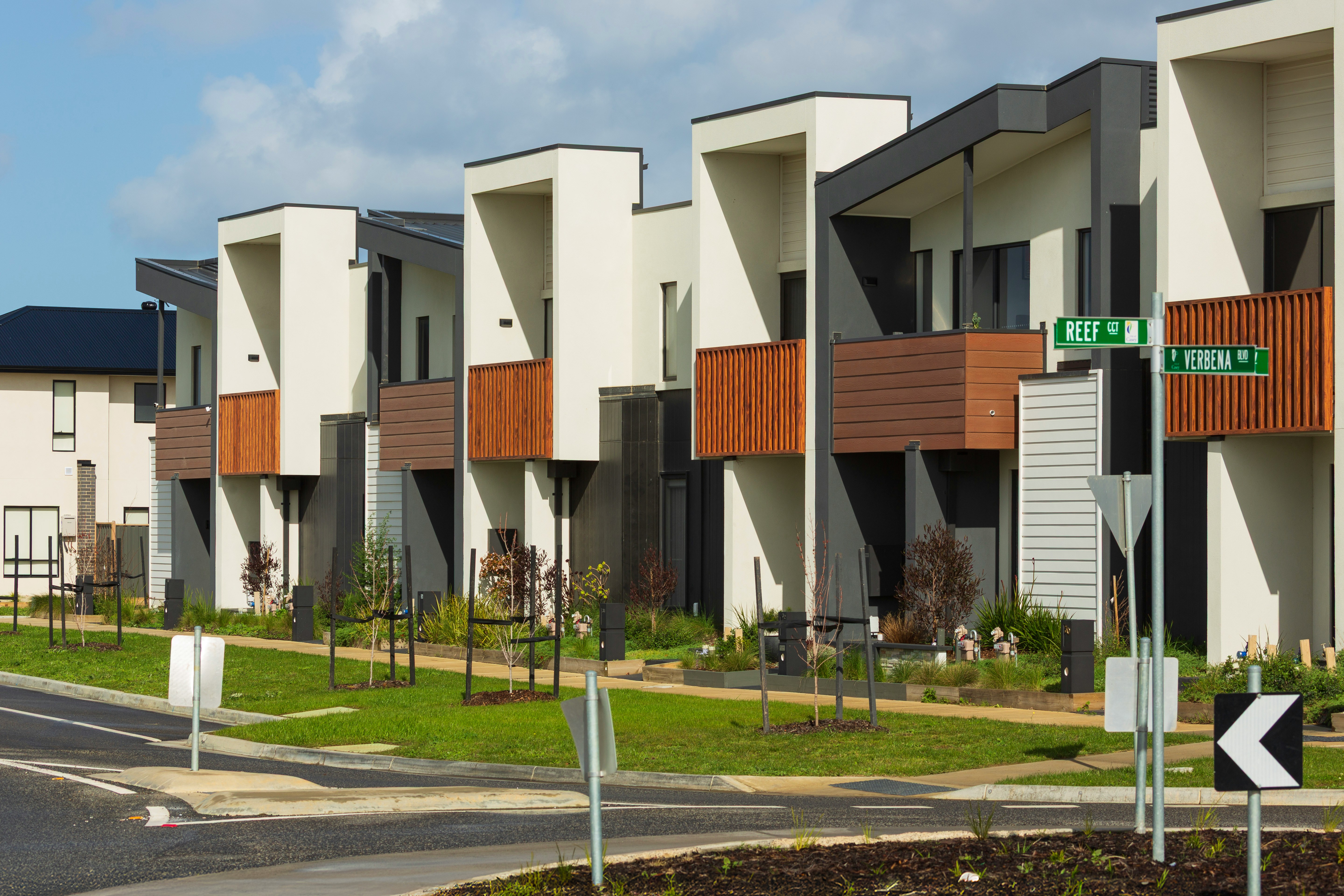
Townhouses, duplexes and terraces – often referred to as the housing market's "missing middle" – could attract greater attention because they may offer a balance between affordability and space, often sitting below the price of a detached house while providing more room than an apartment.
Aussie Buyer's Agent Patrick Boyce said townhouses appear to be part of the conversation for some investors working within tighter budgets.
“When we look for investor clients, we're guided by their budgets,” he said.
“Even in some of the regional locations we're buying in under that budget, you would still be looking at a duplex or a townhouse.”
You may also be interested in: Should you buy a new or established property?
Dr Diaswati Mardiasmo, chief economist at PRD Real Estate, said location would ultimately shape what investors choose.
“If you're aiming for a capital-city new build, it's almost as though you don't have a choice,” she said.
“There aren't that many new standalone houses being built in capital cities. It's mostly units or townhouses.”
For buyers navigating higher property prices and tighter borrowing constraints, the appeal of the missing middle may have less to do with policy changes and more to do with practicality.
Rather than asking whether they would prefer a detached house, some Australians are increasingly focused on what type of property balances affordability, borrowing capacity and long-term goals.
An Aussie Broker can help investors compare different property types and understand how each option may affect your borrowing capacity and estimated repayments.
New builds aren't the only consideration
While proposed tax reforms have put new builds in the spotlight, experts caution against making property decisions based solely on potential tax outcomes.
Construction timelines, location, rental demand, ongoing costs and long-term suitability may all influence whether a property aligns with an investor's goals.
“Sometimes you do have quite a long lag time before you can even see the property that's going to be built,” Mardiasmo said.
She said some investors remain cautious because of previous delays and disruptions across parts of the construction sector.
That can affect everything from settlement timing to rental income expectations, making it important for buyers to understand how a project timeline fits within their broader plans.
A lower purchase price can improve affordability, but buyers may also need to weigh factors such as commuting times, lifestyle preferences, and future flexibility.
An Aussie Broker can help borrowers assess how different property choices fit within their budget and whether those choices remain manageable if interest rates or living costs change.
You might also be interested in: Investors are putting plans on hold as they seek clarity on proposed tax changes
Before choosing a new build, buyers may want to consider:
How the property's price compares with established homes nearby
Whether construction timelines align with their plans
Expected rental demand in the area
Ongoing costs such as strata fees and maintenance
How the purchase fits within their borrowing capacity and long-term budget
An Aussie Broker can help compare different scenarios and understand how each option may affect affordability over time.
What increased investor demand for new builds could mean for buyers
If more investors ultimately direct their attention towards new-build housing, the effects may extend beyond the investment market.
In some locations, greater demand for townhouses, duplexes and medium-density developments could increase competition for housing types that are already popular with first-home buyers and downsizers.
At the same time, additional investor demand may help support more housing stock coming to market over time.
What that means in practice will depend on location, supply levels and the types of homes being built.
Mardiasmo said stronger investor interest in new builds could also have flow-on effects for housing supply.
“The more investors we have playing in the new-build space, the greater the chance that those required pre-sales are achieved,” she said.
That matters because many developments require a certain level of pre-sales before construction can proceed. In some cases, additional investor demand could help bring more housing stock to market over time.
Whether that trade-off makes sense will depend on individual circumstances, including location preferences, lifestyle needs and long-term plans.
Should buyers wait for prices to fall?
One of the biggest questions emerging from the investor slowdown is whether it could eventually lead to lower property prices.
The answer may depend on where and what you're buying.
AMP chief economist Shane Oliver said reduced investor demand could contribute to softer market conditions in some areas. However, housing shortages and varying levels of demand mean outcomes are unlikely to be uniform across the country.
“If I were a first home buyer trying to get in, I'd probably be thinking that I've got a bit more time on my side now,” Oliver said.
However, Oliver cautioned that trying to perfectly time the market remains difficult, with outcomes likely to vary between locations and property types.
For Australians considering a property purchase, that means broad market forecasts may be less useful than understanding local conditions.
Factors that may influence outcomes include:
The type of property being purchased
Whether the area is dominated by investors or owner-occupiers
Local supply levels
Population growth and housing demand
Rather than trying to identify the opportune time to buy, some Australians may benefit from focusing on factors they can control, such as affordability, borrowing capacity and long-term plans.
An Aussie Broker can help model different lending scenarios and provide clarity on what may be achievable based on your circumstances.
What buyers and investors can control right now
While policy settings and market conditions remain uncertain, buyers still have control over some of the most important parts of the decision-making process.
That includes understanding their finances, stress-testing budgets and being clear about their goals.
For investors, that may mean evaluating whether a new build, townhouse or established property aligns with their long-term strategy.
For owner-occupiers, it may mean assessing whether reduced competition creates opportunities that weren't available a few months ago.
The survey suggests most investors aren't walking away from property altogether. Instead, many are reassessing how they participate in the market.
For some, that could mean considering a townhouse instead of a detached house. For others, it may involve looking at different suburbs, adjusting expectations around property type or exploring a new-build opportunity that wasn't previously on the radar.
While the future direction of investor demand remains uncertain, the survey suggests affordability is becoming a bigger driver of property decisions.
Oliver said buyers should be cautious about trying to perfectly time their purchase decisions.
"I wouldn't be expecting to pick the bottom of the market," he said.
Understanding what you can comfortably borrow, what you can sustainably afford and which property types fit your goals may prove more useful than trying to predict exactly where the market goes next.
An Aussie Broker can help borrowers compare scenarios, understand their options and make informed decisions.