Key takeaways:
Cost of living pressures are reducing borrowing power and reshaping buyer budgets
Interest rates and inflation are reshaping the property market, with growth slowing in major cities
Buyers are adjusting expectations on price, location and lifestyle to stay within budget
Affordable markets like Brisbane, Perth and Adelaide remain more resilient amid shifting demand
Home loan decisions now hinge on balancing repayments with everyday expenses, not just maximum borrowing capacity
Rising petrol prices, grocery bills and interest rates are no longer just background economic pressures. They are actively changing how and where Australians can afford to buy property.
While property prices surged by around 8 to 9% nationally last year, based on Cotality data, conditions are now shifting. Higher interest rates, persistent inflation and global uncertainty are now feeding directly into buyer behaviour, according to AMP Head of Investment Strategy and Chief Economist Shane Oliver.
“Demand is being constrained by higher rates and uncertainty,” Oliver said, noting that price growth has slowed significantly, particularly in Sydney and Melbourne.
At the same time, household budgets are tightening. Commonwealth Bank’s latest Household Spending Insights show spending is rising in essential categories like fuel, reflecting ongoing cost pressures that are leaving less room for mortgage repayments.
How affordability is driving differences between markets
Despite these pressures, the housing market is not seeing widespread distress. Instead, the shift is more subtle, experts say.
Sydney and Melbourne have seen price growth stall or edge lower since late last year, while more affordable cities such as Brisbane, Perth and Adelaide continue to record modest gains of around 1 to 2 per cent, Cotality data showed.
This reflects a broader trend. As affordability tightens, demand is shifting towards markets where buyers can still make the numbers work.
You might also be interested in: Understanding Australia’s housing market: Cost of living by cities
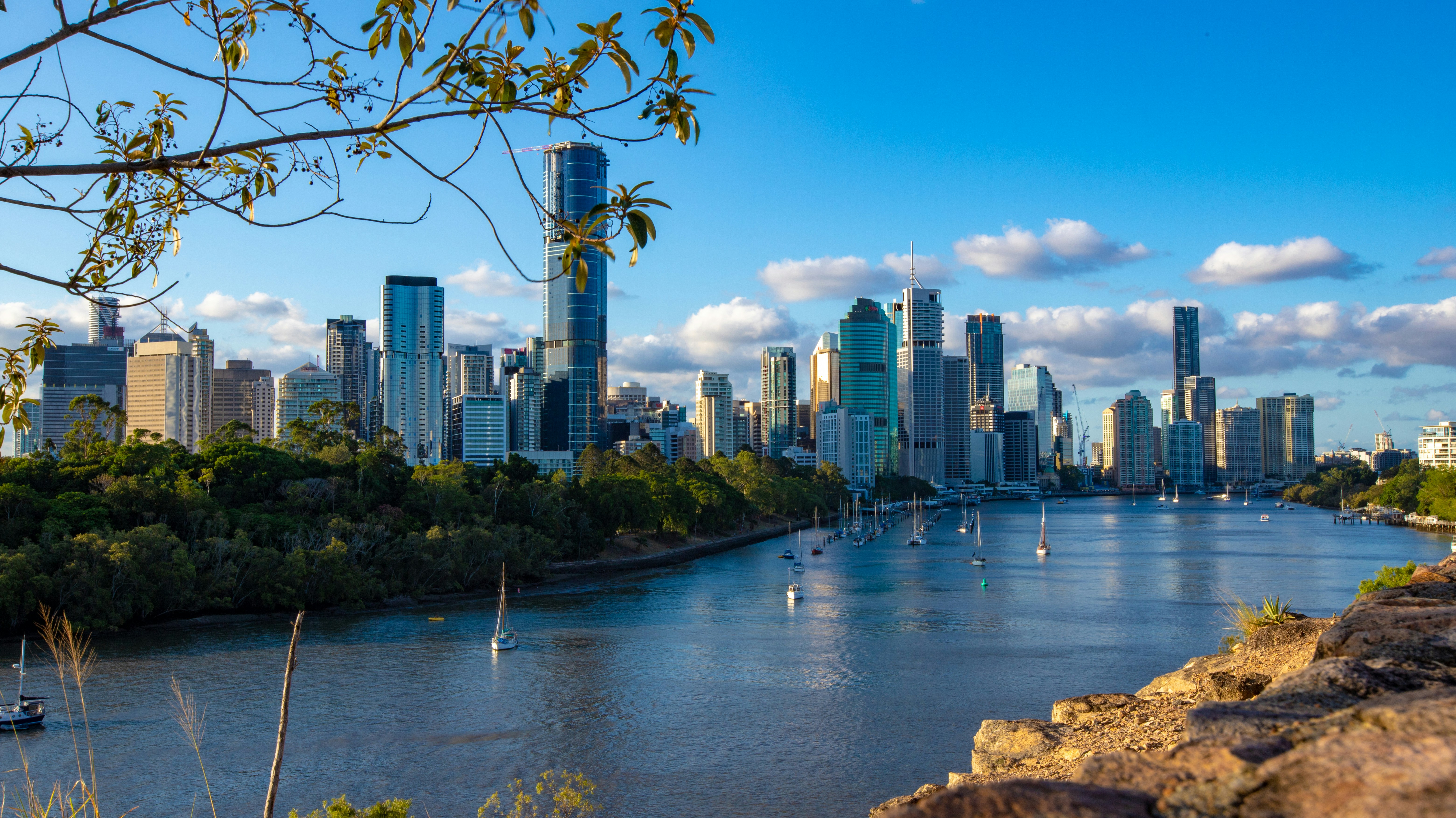
More affordable cities such as Brisbane are recording modest gains, according to Cotality data. Photo by Brisbane Local Marketing on Unsplash
What this means for buyers right now
For many Australians, the biggest change is not just how much they can borrow, but how that fits within their day-to-day budget.
Aussie Bellarine broker Ruth Van Eekelen says many buyers often come in with a price point in mind, only to reassess once they see the real cost of repayments.
“People expect to buy an entry-level house for around $600,000. When you show them the repayments, it’s a reaction of ‘I can’t afford that’,” she said.
Even when borrowers are technically approved for a loan, many are choosing to scale back.
“They don’t feel they could physically make the repayments within their comfort level,” she said.
This gap between borrowing capacity and repayment comfort is becoming a key driver of how buyers set budgets and choose properties.
“There are two things. Firstly, there is what you can do, and then there is whether you should do that,” Aussie broker Vicki Fraser said.
“Someone might say they are comfortable paying $700 a week, but when we calculate repayments on a $900,000 home, it can be more than $1,000 a week and they are blown away.”
Fraser said this is forcing buyers to rethink both their budgets and expectations.
“Just because you can borrow a certain amount does not mean you should. We have to find a balance between getting into the market and still being able to maintain a lifestyle.”
The trade-offs reshaping buying decisions
As a result, buyers are making more deliberate trade-offs to stay within budget.
Some are looking at other properties or different locations. Others are delaying purchases or choosing to sell before they buy rather than carry two mortgages.
In some cases, the impact is broader. Borrowers are reconsidering career paths, taking on additional work or exploring shared ownership models to make homeownership viable, such was the case for best mates Dylan and Tariq.
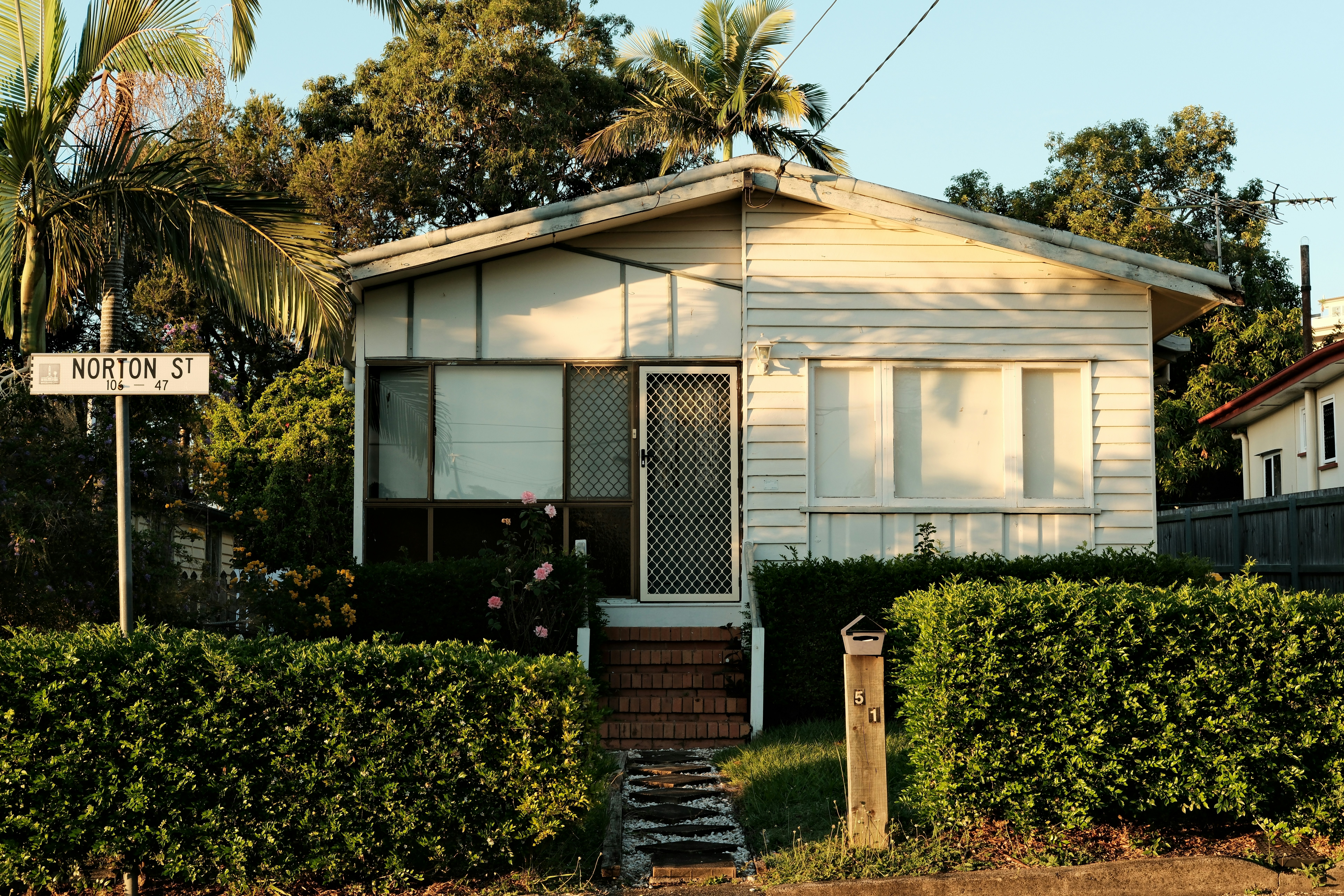
Buyers are making more deliberate trade-offs to stay within budget. Photo by Esther Zheng on Unsplash
“We’re seeing more multi-generational living and co-purchasing,” Van Eekelen said. “People are finding different ways to make it work.”
At the same time, lifestyle expectations are coming into sharper focus.
“It’s about asking, can you still live, or are you just existing?” she said. “That balance is becoming more important.”
You might also be interested in: Queensland best mates who purchased together
The role of interest rates in affordability
Interest rates remain a critical factor in what you can afford.
The market is currently pricing in at least one more rate hike, with the Reserve Bank expected to keep a close eye on inflation, particularly as rising fuel costs feed into broader price pressures.
A third 0.25 percentage point increase would mean, on a $700,000 loan; repayments could rise by about $336 per month, or roughly $4,028 per year.
For new buyers, a third rate increase would reduce how much they can borrow, although the exact impact will depend on individual circumstances and lender criteria.
As an example, a borrowing capacity of $700,000 could fall by around $42,000 to $56,000.
“They may be priced out of certain segments of the market or need to look at cheaper properties,” Oliver said.
Even small rate movements can have a noticeable impact on borrowing power and repayments.
A balancing act between pressure and opportunity
Despite the challenges, there are still underlying supports in the market.
Australia continues to face a housing shortage, with an estimated shortfall of 200,000 to 300,000 dwellings, Oliver said. This is helping to underpin property values, even as demand softens.
For buyers, this means balancing affordability with opportunity in different markets.
Opportunities still exist, particularly in more affordable markets or for those willing to adjust expectations.